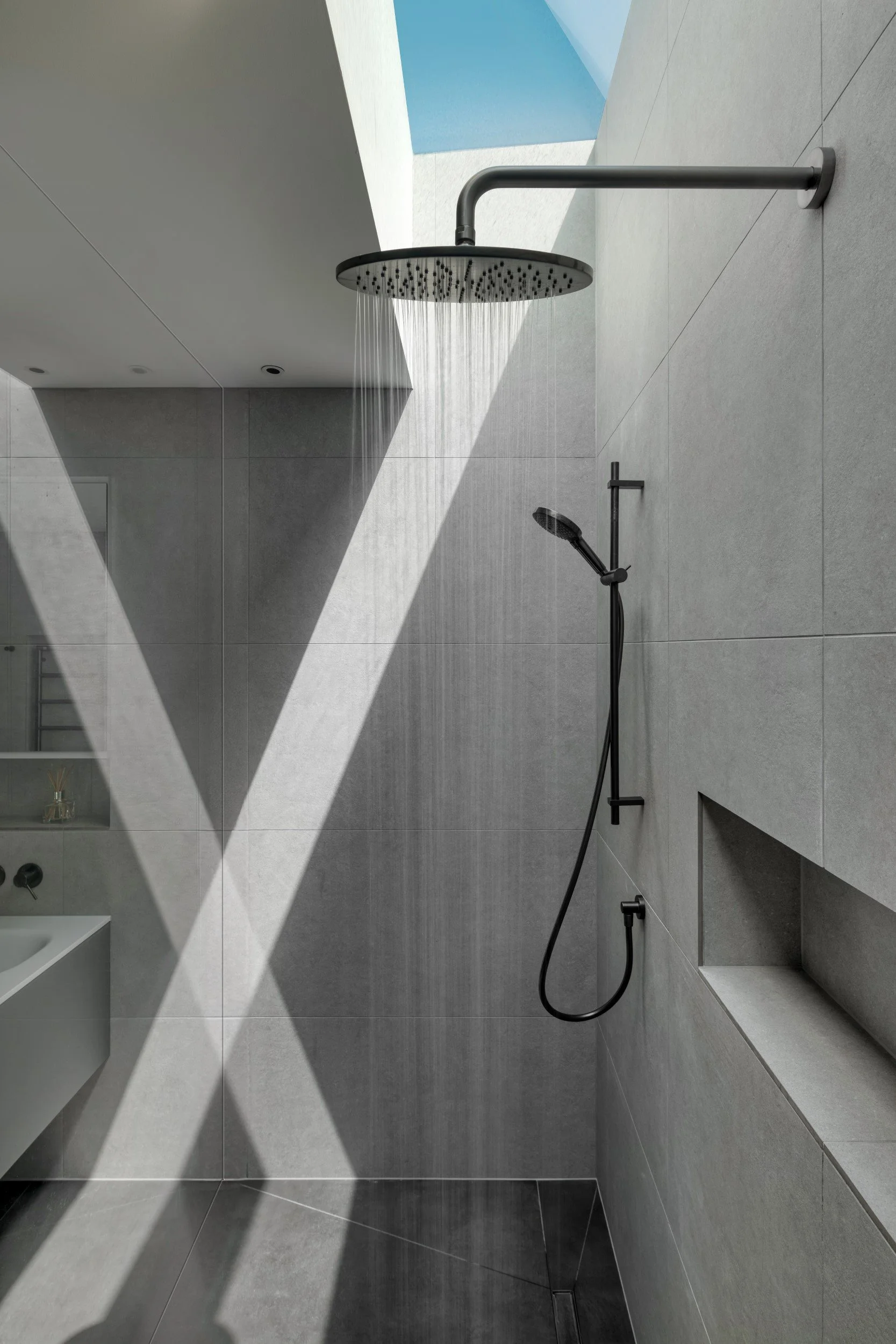
How Natural Light Should Shape Your Floor Plan
Natural light isn’t just a finishing touch, it’s one of the most powerful design tools an architect can use. When thoughtfully integrated into a floor plan from the very beginning, it transforms how a home feels, functions, and performs.
For clients, it often becomes the difference between a house that simply works and one that truly enhances daily life.
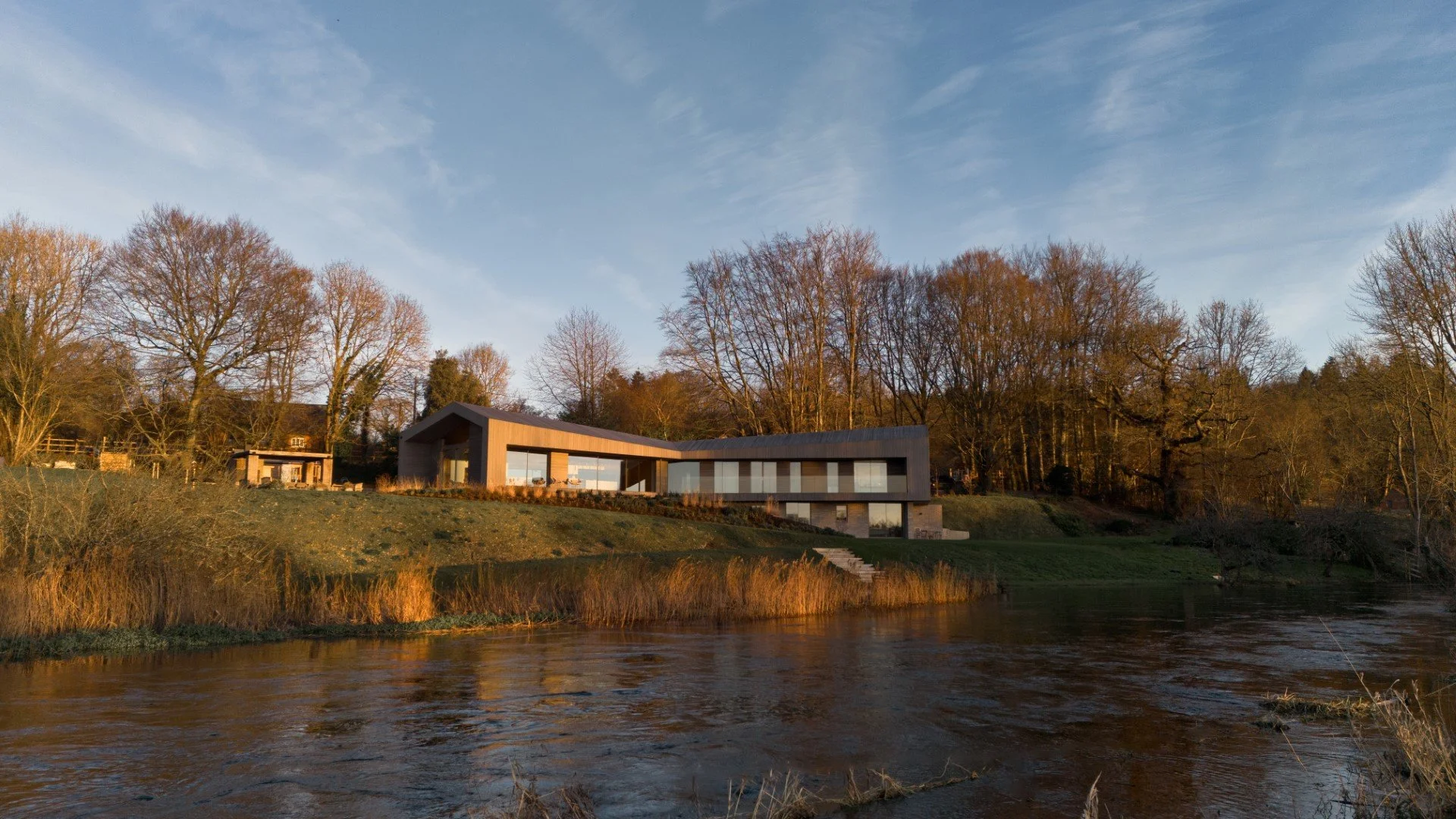
Start with Orientation, Not Decoration
The relationship between your home and the sun should be considered before walls are even drawn. A well-oriented floor plan captures sunlight where it’s most valuable and limits it where it’s not.
Living spaces, kitchens, dining areas, and lounges, benefit from generous daylight throughout the day. Positioning these rooms to the south (in the UK) allows them to receive consistent, soft light. Meanwhile, bedrooms often work well with morning light from the east, while utility spaces, bathrooms, and circulation areas can sit comfortably on the cooler, lower-light northern side.
Designing with orientation in mind reduces reliance on artificial lighting and heating, creating a home that feels naturally comfortable year-round.
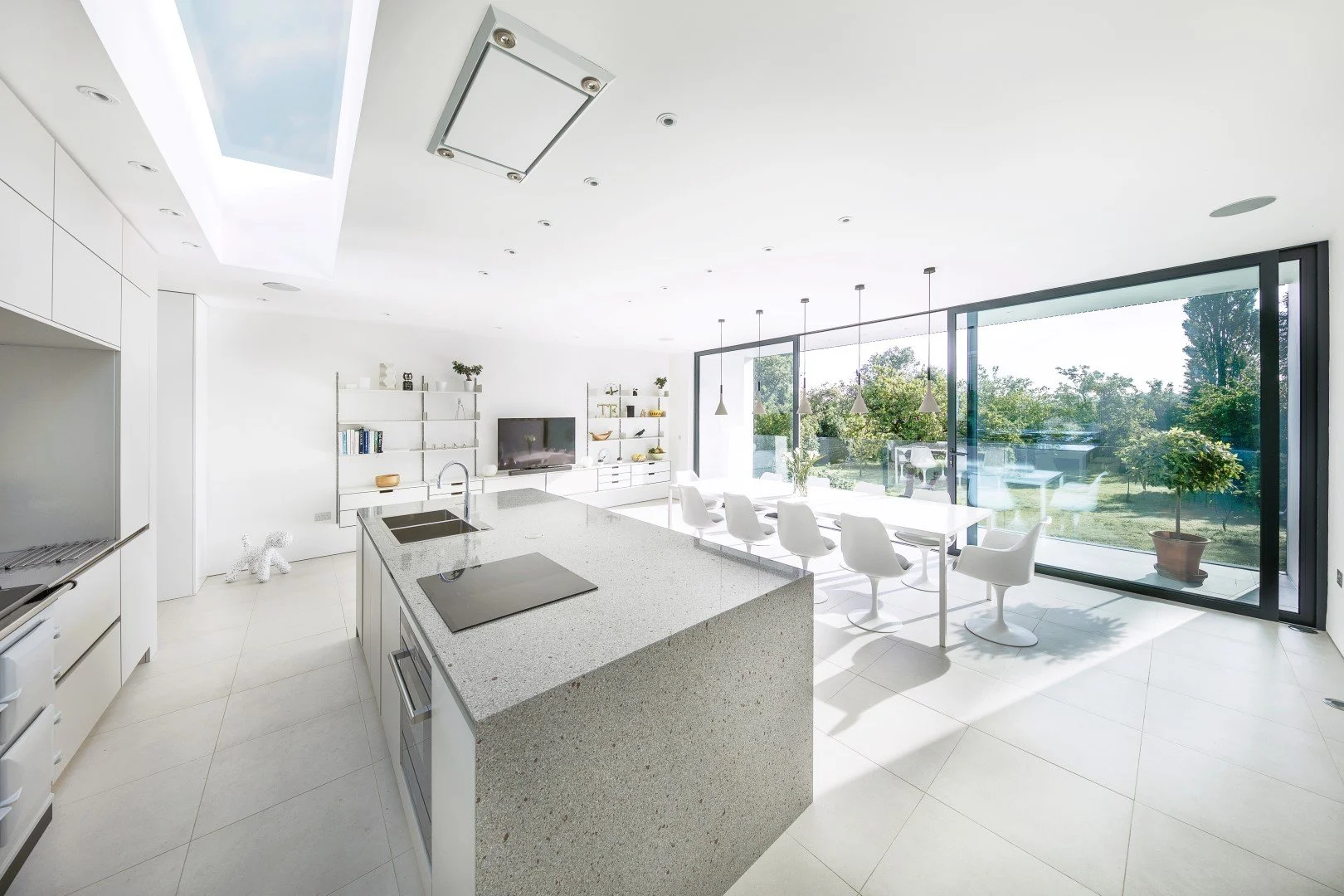
Let Light Define How Spaces Connect
Open-plan living is popular, but without careful planning, it can result in dark, undefined zones. Natural light can be used to structure these spaces without the need for walls.
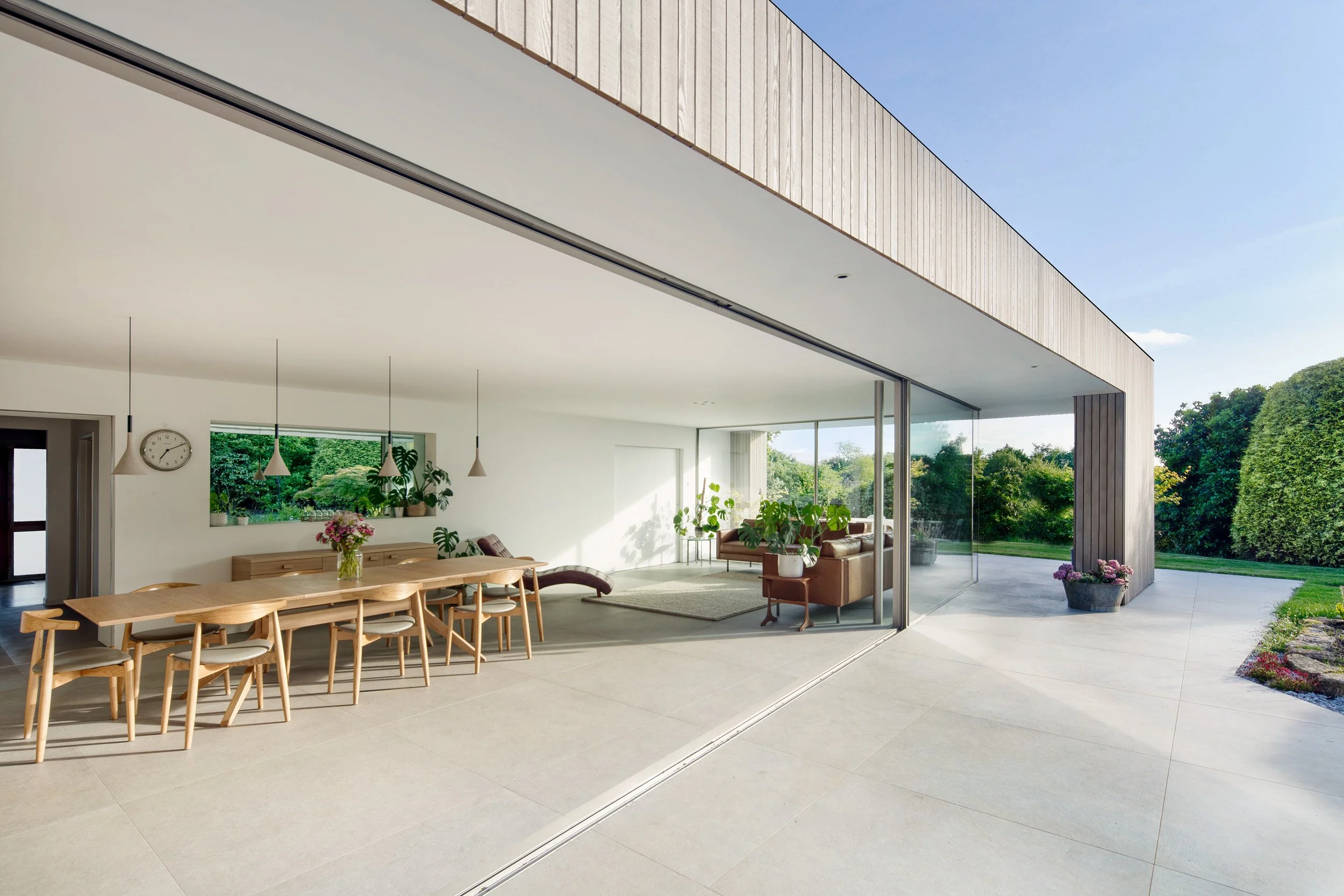
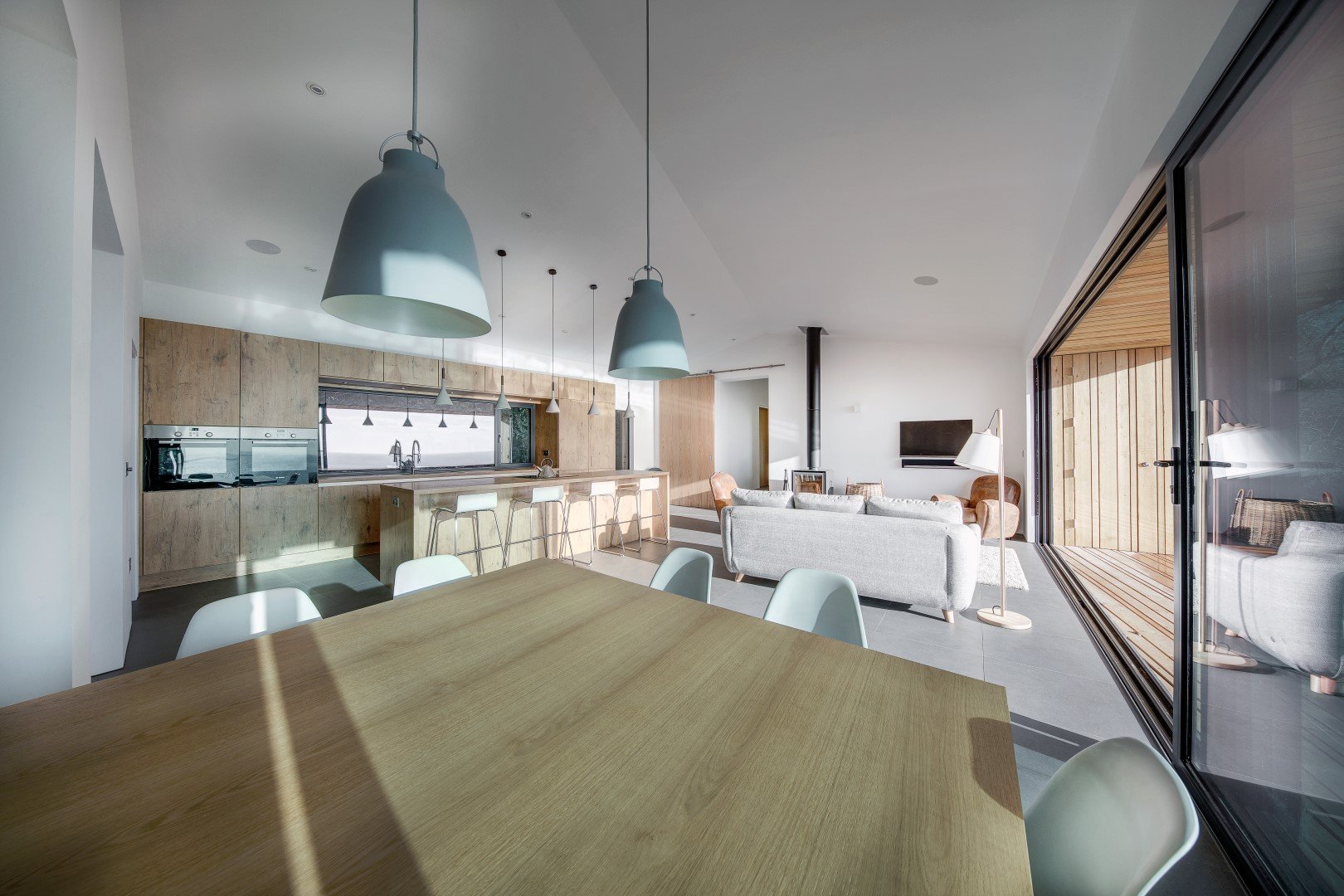
For example, placing windows, rooflights, or glazed doors at key points draws light deep into the plan, subtly guiding how spaces are used. A kitchen island might sit beneath a rooflight, while a dining area aligns with large sliding doors to the garden. These moments of brightness anchor activity and create a natural flow.
Rather than asking “Where should the walls go?”, a more effective question is: “Where should the light enter?”
Balance Light and Privacy
Maximising natural light doesn’t mean covering every wall in glass. A successful floor plan carefully balances openness with privacy.
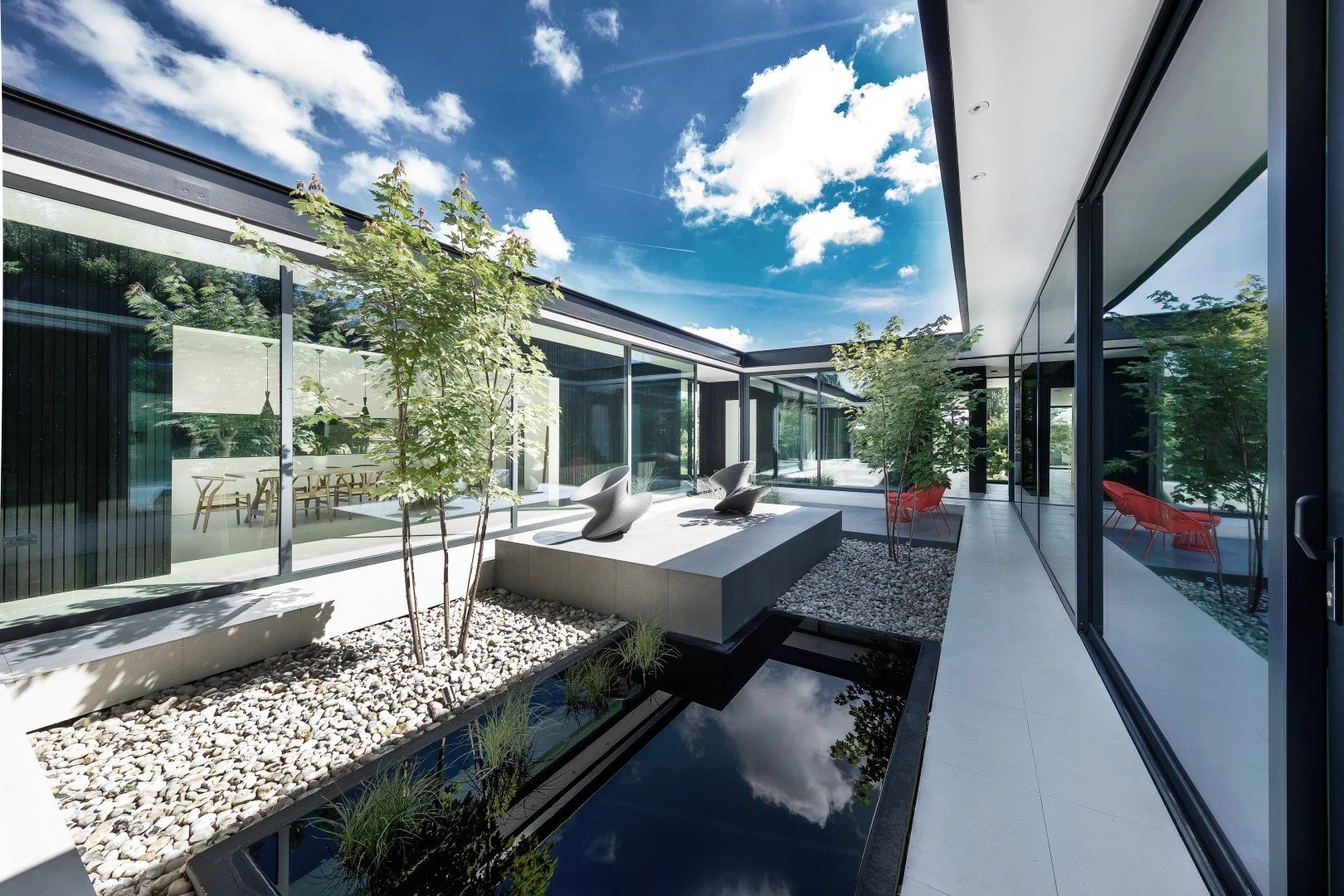
Street-facing elevations may require more considered openings, high-level windows, screened glazing, or smaller apertures, while garden-facing sides can open up more freely. Courtyards and lightwells are also powerful tools, bringing daylight into the centre of a home without compromising privacy.
This approach ensures that every space feels bright without feeling exposed.
Design for Light Quality, Not Just Quantity
Not all light is equal. Harsh midday sun can overheat a space, while soft, diffused light creates a calm and comfortable environment.
Architectural elements such as overhangs and recessed windows help control sunlight throughout the day. Rooflights can be angled or positioned to avoid glare while still delivering generous illumination.
By shaping the quality of light, not just increasing it, you create spaces that feel balanced and enjoyable at all times.
Think Vertically as Well as Horizontally
Natural light doesn’t only come from the sides. Introducing light from above can dramatically change how a floor plan performs.
Double-height spaces, clerestory windows, and rooflights allow daylight to penetrate deeper into the building. Even compact homes can feel spacious and airy when light is brought in from multiple directions.
Vertical light also adds a dynamic quality, changing throughout the day and giving interiors a sense of movement and life.
Energy Efficiency Starts with Daylight
A well-lit home is inherently more sustainable. By reducing the need for artificial lighting and supporting passive solar gain, natural light plays a direct role in lowering energy consumption.
However, this must be balanced with thermal performance. High-performance glazing, shading strategies, and careful detailing ensure that increased daylight doesn’t lead to overheating or heat loss.
When integrated correctly, natural light supports both environmental responsibility and long-term cost savings.
A More Human-Centred Home
Beyond performance and aesthetics, natural light has a profound impact on wellbeing. It regulates circadian rhythms, improves mood, and enhances how we experience space.
A floor plan shaped by light feels intuitive. It aligns with how people naturally live, waking with the morning sun, gathering in bright shared spaces, and retreating to calmer, softer-lit rooms in the evening.
Designing with Light from Day One
The most successful homes don’t treat natural light as an afterthought. It’s a guiding principle, one that informs layout, form, and experience from the outset.
For clients, this means a home that not only looks beautiful but feels right in everyday use. For architects, it’s an opportunity to create spaces that are both functional and deeply uplifting.
If you’re planning a new home or renovation, consider this: before choosing materials, finishes, or even room sizes, start with the light. The rest of the design will follow.